
How Does Professional Dry Cleaning Work? A Step-by-Step Guide
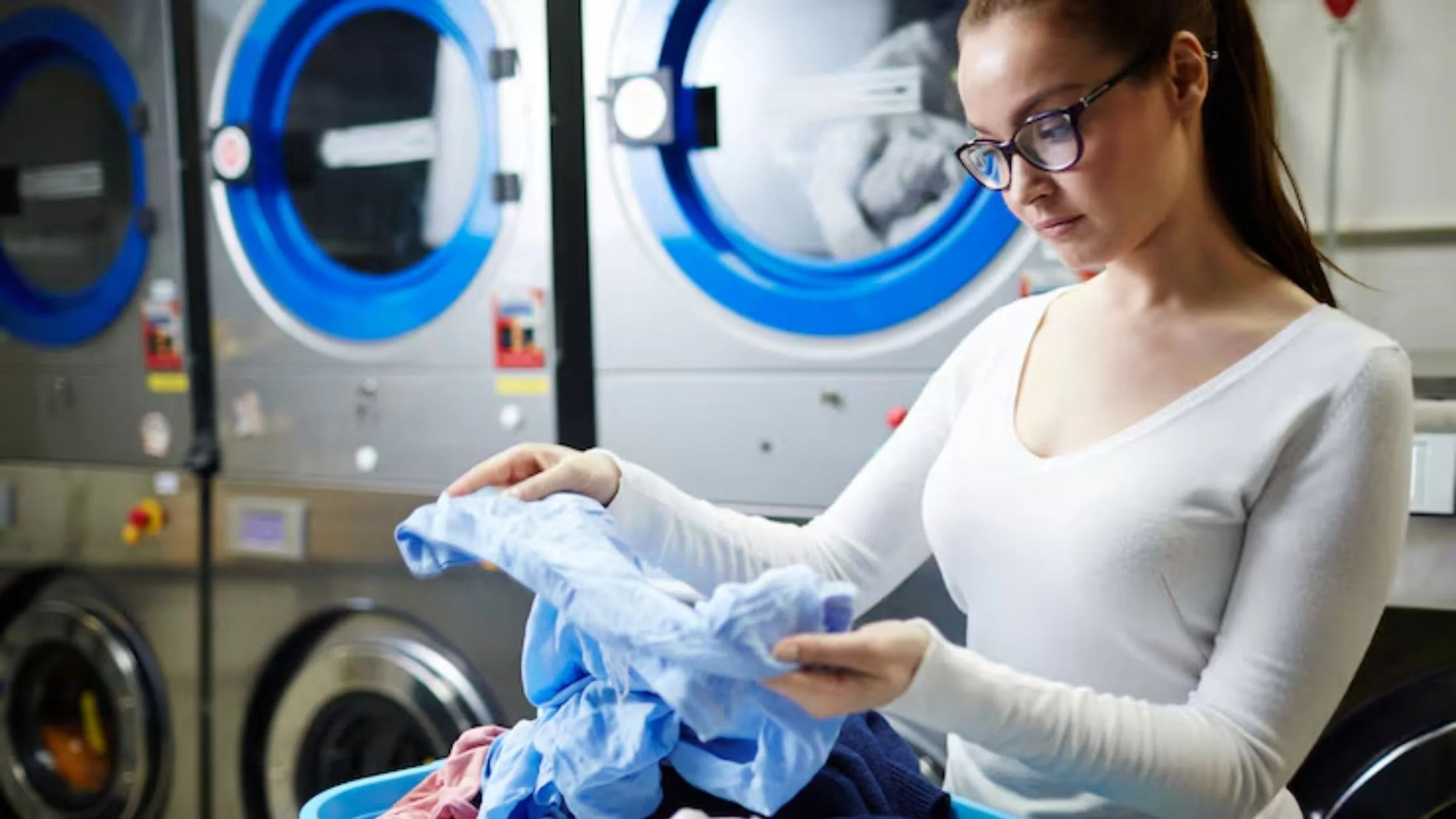
If you are trying dry cleaning for the first time, it is completely normal to wonder how professional dry cleaning works. Many people assume it is just another form of washing clothes, but the process is quite different and more advanced.
Dry cleaning is designed to clean delicate garments while preserving their shape, texture, and overall quality. Understanding the dry cleaning process explained can help you feel more confident when choosing professional garment cleaning for your clothes.
In this guide, you will learn exactly what happens in dry cleaning, step by step, along with the benefits and reasons why it is considered a fabric-safe cleaning method.
What Is Professional Dry Cleaning
Dry cleaning is a cleaning method that uses a liquid solvent instead of water to remove dirt, oils, and stains from clothes. Although the name suggests dryness, the process actually involves liquid, just not water.
This method is ideal for garments that are sensitive to moisture or agitation. Many fabrics can shrink, fade, or lose their shape when washed at home, which is why professional garment cleaning is often recommended.
Dry cleaning is commonly used for:
Suits and blazers
Dresses and formal wear
Silk and wool garments
Coats and jackets
Structured or delicate clothing
Why Dry Cleaning Is Different from Regular Washing
To understand how does professional dry cleaning work, it helps to compare it with traditional laundry methods.
Regular washing uses water and detergent, which can be harsh on certain fabrics. Dry cleaning avoids water and instead uses solvents that are gentler on materials while still being effective at removing stains.
Here are the key differences:
No water is used, reducing the risk of shrinking
Solvents remove oil-based stains more effectively
Fabrics maintain their original shape and texture
Professional finishing improves the overall appearance
This is why the dry cleaning process explained is often preferred for delicate or high-value garments.
Step-by-Step Dry Cleaning Process Explained
Let us go through what happens in dry cleaning step by step so you can clearly understand the entire process.
1. Garment Inspection and Tagging
The process begins with a careful inspection of each garment.
During this stage, professionals check:
Fabric type and care instructions
Visible stains and heavily soiled areas
Any damage such as loose buttons or tears
After inspection, a tag is attached to the garment. This tag ensures proper tracking throughout the cleaning process and prevents mix-ups.
2. Pre-Treatment of Stains
Before the main cleaning cycle, stains are treated individually.
Different stains require different solutions. For example:
Oil and grease stains need solvent-based treatment
Food stains require targeted cleaning agents
Ink stains are treated carefully to prevent spreading
This step improves the overall effectiveness of the cleaning process and plays an important role in professional garment cleaning.
3. Cleaning with Solvent
This is the core stage where the actual cleaning takes place.
Garments are placed in a specialised dry cleaning machine. Instead of water, a cleaning solvent is used.
During this process:
Clothes are gently rotated inside the machine
The solvent dissolves dirt, oils, and stains
Fabrics are cleaned without being exposed to water
This method ensures fabric-safe cleaning, especially for delicate materials that cannot handle traditional washing.
4. Solvent Removal and Drying
Once the cleaning cycle is complete, the solvent must be removed from the garments.
The machine performs two key actions:
High-speed spinning extracts excess solvent
Warm air is circulated to dry the clothes completely
The solvent is then filtered and reused, making the process efficient and controlled.
5. Post-Spotting and Quality Check
After drying, each garment is inspected again.
This step includes:
Checking for any remaining stains
Re-treating spots if necessary
Ensuring the garment meets quality standards
This extra layer of inspection ensures that the final result is clean and consistent.
6. Pressing and Finishing
Once the garments are fully cleaned, they move to the finishing stage.
During this step:
Clothes are pressed using professional equipment
Wrinkles are removed
The original shape of the garment is restored
This is why dry-cleaned clothes often look sharper and more polished than home-washed items.
7. Packaging and Ready for Collection
In the final stage:
Garments are folded or hung neatly
Protective covers are applied
Clothes are prepared for pickup or delivery
This completes the full cycle of how does professional dry cleaning work.
What Happens in Dry Cleaning That Makes It Effective
Many people wonder what happens in dry cleaning that makes it more effective than washing at home. The key difference is the use of a solvent instead of water, which removes grease and oil-based stains more effectively.
Dry cleaning machines are designed to clean gently, helping protect delicate fabrics from shrinking or damage. In addition, professional handling ensures each garment is treated with the right method.
This combination makes dry cleaning a reliable and fabric-safe cleaning solution.
Dry Cleaning Benefits You Should Know
There are several advantages to choosing professional garment cleaning.
Key benefits include:
Helps extend the life of clothing
Protects delicate fabrics from damage
Prevents shrinking and fading
Removes tough stains effectively
Provides a clean and polished finish
These dry cleaning benefits make it a valuable option for maintaining your wardrobe.
Is Dry Cleaning a Fabric-Safe Cleaning Method
Dry cleaning is generally considered a fabric-safe cleaning method when performed by professionals.
It is especially suitable for:
Wool and cashmere
Silk and delicate fabrics
Structured garments like suits
Clothing with embellishments
However, not all clothes require dry cleaning. Everyday items like cotton or polyester can usually be washed at home.
How Often Should You Use Dry Cleaning
Dry cleaning should be used based on how often you wear an item and the type of fabric, rather than following a strict schedule. Over-cleaning can weaken fibres over time, so it is best to clean garments only when necessary.
General recommendations include:
Suits: after every 3 to 4 wears to maintain shape and freshness
Dresses: after special occasions or visible stains
Coats: once or twice per season depending on use
Delicate items: as needed, especially for sensitive fabrics
Using dry cleaning wisely helps preserve the quality, fit, and lifespan of your clothing.
Tips for First-Time Customers
If you are new to dry cleaning, following a few simple steps can help you get better results and avoid common issues. Proper communication and preparation play an important role in ensuring your garments are cleaned effectively.
Inform the cleaner about stains so they can apply the right treatment
Do not delay cleaning after spills, as fresh stains are easier to remove
Empty pockets before handing over garments to prevent damage or loss
Follow the care label instructions to ensure the correct cleaning method is used
These small but important steps can improve the overall outcome and help maintain the quality of your clothes.
Conclusion
Understanding how professional dry cleaning work helps you make informed decisions about garment care. The process is designed to clean clothes effectively while protecting their quality and structure.
The dry cleaning process explained in this guide shows that each step plays an important role, from inspection to finishing. With professional garment cleaning, your clothes receive the care they need to stay in good condition.
If you are looking for a reliable and fabric-safe cleaning solution, dry cleaning is a practical choice that helps maintain the appearance and lifespan of your garments.
For the best results and expert care, feel free to contact us today or visit our store to experience professional dry cleaning services you can trust.
Frequently Asked Questions
1. How does professional dry cleaning work?
Dry cleaning uses a liquid solvent instead of water to clean clothes. The process includes inspection, stain treatment, machine cleaning, drying, and finishing. This method helps remove tough stains while protecting delicate fabrics.
2. What happens in dry cleaning machines?
Garments are placed in a rotating machine where a solvent removes dirt, oil, and stains. After cleaning, the machine extracts the solvent and dries the clothes. The solvent is filtered and reused, making the process efficient.
3. Is dry cleaning better than washing at home?
Dry cleaning is better for delicate or structured garments that can be damaged by water. It helps maintain the shape, texture, and overall quality of fabrics. For everyday clothing, regular washing is usually sufficient.
4. Is dry cleaning safe for all fabrics?
Dry cleaning is safe for most delicate fabrics such as silk, wool, and cashmere. However, it is not always necessary for everyday materials like cotton or polyester. Always check the care label before choosing the cleaning method.
5. How long does dry cleaning take?
Most dry cleaning services take around 24 to 48 hours. The exact time depends on the fabric type and cleaning requirements. Some cleaners may also offer express or same-day services for urgent needs.
